This image is symbolic of Amir’s isolation of his guilt, and how redemption has the ability to revive his well-being. To begin, the rock represents Amir himself and the weight of his guilt, as he stands alone in isolation. Amir’s guilt weighs him down and returns to haunt him, serving as a constant reminder of what he has done wrong in the past. The rock’s exterior is dark, cold, and rough, acting as a barrier between Amir and redemption. His guilt isolates him, holding Amir back from sharing his grief and hardship with others; therefore, he prevents himself from seeking redemption. Additionally, surrounding Amir are bushes of blades of green leaves. The green leaves symbolize the opportunities that Amir has to redeem himself. Following his return to Peshawar, Rahim Khan has offered him the chance of redemption through taking care of Sohrab. However, the leaves do not quite reach the rock because Amir, weighed down in guilt and isolation, has yet to fully assume this role. Instead, he superficially redeems himself by beating up Assef, which Rahim Khan does not characterize as true redemption. Finally, the flowers rising above the surrounding plants represent the beauty of redemption. The flowers are full of life, just like how redemption allows one to move on and fully embrace life by living in the present. The beautiful flowers of redemption are carefree and light, contrasting against the ugliness and heaviness of Amir’s rock of guilt. Amir’s relationship with Soraya gives him the opportunity to share and lift the weight of his guilt. Sohrab also represents the possibility of Amir moving past his guilt and creating a new life. Overall, this image demonstrates how Amir is weighed down by his guilt, isolating him from the opportunity and beauty of redemption around him.
Tuesday, April 30, 2019
Amir's Guilt & Redemption
Labels:
Allison Hong,
Kite Runner Metaphors,
Margaret Capetz
How Low Self-Esteem Affects Amir
The image represents how Amir’s guilt and low self-esteem lock him in a state of self-punishment. The lock represents his self-doubt and his low self-esteem. He is locked up by his guilt over what happened to Hassan. The locker itself is the self-punishment, and hatred that Amir is trapped in by his guilt. The inside of the locker is Amir’s conscious, which is weighed down with the box of self-loathing, bound by the lock of guilt. The box is his punishment, and the lock is the reason for it. The only way for him to reprieve himself of his punishment is to recognize that what happened was not entirely his fault. It was the way the Afghan culture and society promoted discrimination of the Hazaras. Until Amir regains his self-esteem and recognizes his actions to save Sohrab, Amir will always be stuck in the locker.
Kabul in Ruins
This photo represents the Kabul that Amir returns to. Growing up in Kabul, with nearly unlimited privilege, Amir enjoyed the greatest fruits that Afghanistan had to offer. Just like the pomegranate tree that grew near his house, the old Kabul of Amir’s memories could be represented by a big prosperous tree, which has now been cut down, reduced to a stump. Once a tree is cut down, it dies and has little prospect compared to a full grown plant. The hand, which represents the Taliban, is the cause of the tree being killed. The Taliban took over Kabul and began to run it with an iron fist, taking the fruits of the city for themselves, and casting fear over the people. They left the city in ruins, shown by the dirt sitting around the tree. The dirt around the stump is dry and not conducive to growth, just like Kabul after the Taliban arrives. The lives of the people of Kabul have been reduced to poverty, ruled over by a harsh and unsympathetic regime.
Religion Affecting Religions and Lifestyles- Mary and Leila
These two plants represent Hassan and Amir and how religion affects their roles in society. Amir is a cherry blossom tree, while Hassan is a bush. Like both plants, they both grew up in the same place and under the same circumstances. Yet, one has more power and more room to prosper (and to blossom). However, Hassan is a Hazara, and he doesn't have the ability to grow, and society is pushing him to stay working as a servant. Even though Baba was both of their fathers, their religions cause them to lead completely different lifestyles. The differences in religion also affect serious relationships by making one superior to another. Both plants have different looks also. The cherry blossom tree is admired more than the bushes get. This shows that Amir and his lifestyle is more acceptable and wanted, while Hassan is looked down upon and shamed.
Importance of Family Love
This photo describes the relationship Amir has with his two mentors, Baba and Rahim Khan. There are three bushes we are focusing on. The bush representing Baba is the bigger, scarier, green bush. He is perceived as really tough and rough and pushes away his son because he doesn't meet his expectations. The smaller, green bush is Amir, Baba's son. He represents some of Baba's physical traits, but their personalities differ. He is situated closer to Rahim Khan, the flowery, colorful bush who is known to show a lot of empathy, especially towards Amir, who feels a lack of parental love. Amir wants to be a writer and looks for acceptance from any adult figure, which has to be Rahim, based on the lack of feeling from his real father. Amir's situation is okay because his father still loves him, even if he doesn't realize it. Later, Amir is left like this from Assef and no one is here for him.
Amir's Redemption Metaphor
The tree represents Amir’s path to redemption through his relationship with Sohrab. The rings in the tree and its vertical climb represent the many years of guilt and hardship that Amir went through before he would have the opportunity to redeem himself from his actions of the past. Also, the tree is standing tall in the sunlight. The light represents truth, the very truth that needed to come to light and become accepted in order for Amir to be truly redeemed. When Rahim Khan admits that he knew Amir’s secret all along it was freeing because then Amir was able to make up for his sins because someone was holding him accountable. Without the light, which is the truth, no one would have been able to see Amir’s sins and Amir would never have had the opportunity to redeem himself. As he progresses through his growth, near the top of the tree it develops from an arduous climb into a sprouting and blooming growth of flowers and leaves. These flowers and leaves represent the fruition of Amir’s work: his redemption. After his long journey filled with self-degradation and loathing his shortcomings, Amir is finally able to change and become good as well as make something good of it in helping to save Sohrab. Also, the image ties into Rahim Khan’s definition of what atonement is, in his letter he tells Amir that redemption is, “guilt leads to good” (302). The trunk would represent his years of pent-up guilt and the flowers represent the blooming of his actions that lead to a redeeming relationship with Sohrab.
Amir's Window of Opportunity
The various aspects of this tree represent Amir’s complex personality and conundrum surrounding his redemption. The bare trunk of the tree represents the lack of opportunities to grow in life for Amir, as the guilt surrounding his past events plagues his decisions and ability to succeed in life. The leaves branching out atop the tree represents the ideal life with boundless opportunities that Amir is striving for with his redemption. Finally, the bright bottle lodged in between two branches that lead to the leaves represents Sohrab and the opportunity he presents to Amir to redeem his past, standing out amidst the monotony of the trunk and life and lying at the gate to success.
Amir and Baba's Relationship

This image represents the relationship between Amir and Baba via the distance between the flower and the tree, the stark contrasts between the tree trunk and bright flowers, the way the flowers are turned away from the tree, and the connection between the flower and the tree. With the distance between the two objects, we can see that Amir and Baba have been distant for almost their entire lives. While the flower is in focus, the tree is blurry and in the background, indicating that the two are vastly separate entities. With the extreme differences between the flower and the tree, it is shown that Baba sees his son as less masculine or sturdy. After all, he wrestled a bear and built an orphanage while his son couldn't even stand up for himself or others. This evident difference in character is also shown through the difference between flowers and tree trunks since one is delicate and easily damaged/walked on and the other is deeply rooted into the ground and difficult to bring down or move. Further, the way the flowers are turned away from the tree indicates how Baba is ashamed of Amir and therefore rejects him. At the beginning of the book, he talks to Rahim Khan about how he wouldn't believe Amir was his son if he hadn't seen his wife give birth to him and how he was too cowardly. Moreover, later in the book, we find out that Baba saw his shame in Amir and so had more reason to turn him away, thus being represented by the flower which faces away from the tree. However, in the end, when they had gone to America, they gained the opportunity to bond and realize they were more connected - like how a flower is connected to a tree.
Labels:
Kite Runner Metaphors,
Natalie Tran,
Sofia Rodriguez
Rahim Khan's Character
This image of a tree represents Rahim Khan. The tree portrays Rahim Khan’s wiseness, the roots of the tree portrays how he is connected to all characters and knows a lot about their situation. Though Rahim doesn’t play a large role in the beginning of the novel, as it continues we see how much Rahim was actually there throughout the book. Rahim Khan was the bearer of many secrets, such as Hassan’s true identity, Baba’s sin, Ali’s dishonor, and the tragic event that happened to Hassan, he was aware of within a few days. We as living breathing animals depend on trees to provide us oxygen, something necessary to survive. In relation, Rahim Khan acts as a tree to other characters, just as a tree is beneficial to the environment and us as humans. All characters are willing to confide with Rahim as he is open and helpful. For example, Hassan is quick to tell Rahim about what happened with Assef. Additionally, Baba also tells Rahim about the difficult situation he had with having Hassan and Amir. The branches of the tree represent how Rahim Khan is willing to reach out to others when there is a need. Rahim is an observer throughout the novel, and he kind of gets to see every angle and different perspectives of the issues. When he sees the series of events that leads to Hassan’s death, it is important for him to help Sohrab. Since Rahim himself is physically incapable of doing the rescue, he reaches out to Amir. He as well reaches out to get Amir travel, a driver, and any information about Sohrab and his location.
Betrayal & Guilt: The Weight on Amir’s Shoulders
This image is a backpack on a bench that has holes in its surface. Different aspects of the image represent the effects that betrayal & guilt have had on Amir. Specifically, the backpack is representative of the guilty burden Amir carries with him through his life, a lasting reminder of that fateful day in 1975. The backpack weighs him down and takes up a lot of space, just like how Amir’s guilt consumes a large portion of his life and decisions. The bench represents the stability and strength that Amir yearns for as he wants to be able to support those around him, like Baba and Soraya. The hard surface of the bench represents the harsh lifelong lies conveyed to Amir by Baba, while the holes in the bench represent the shameful truth hidden from Amir for so long. The holes represent how Amir is unable to be fully transparent and truthful because the truth is there, but it can not come out because the holes are not large enough to allow such a truth through.
Expectations vs. Aspirations
In our photo, we have a tree with two wooden stakes guiding its growth, which represents the development of Amir throughout this book. One of the stakes represents the societal and cultural expectations placed upon Amir as he comes of age. The decisions that he has made throughout his life were largely restricted by the expectations of others. Contrastingly, the wooden stake on the opposite side is symbolic of Amir’s inner aspirations which he held throughout his life. Amir’s love for writing at times countered the expectations that society had placed on him and guided the other portion of his actions as he matured. Above these two stakes, we see leaves in a shape specific to the type of tree. These leaves represent Amir’s overall identity as a result of his past experiences and interactions with these two forces.
Labels:
Helena Huggers,
Juntao Ren,
Kite Runner Metaphors
Sohrab, Amir, and Hassan
Sohrab is the flower because he is delicate and shy. Despite his outward appearance, when threatened, he has his defense mechanisms and can be brave, just as the flower has the sharp ends of the plant surrounding it, as shown when he shoots Assef in the eye with his slingshot after seeing Amir beaten up. Above the flower looms the tree, which represents Sohrab’s being a shadow of Hassan, who has a constant presence, captured in his resemblance to his son. Sohrab is always overshadowed and hides in the background, which is seen in the book when he always avoids eye contact and hides in the corner of the hospital room to feel safe. For this reason, Amir is like a leaf on the tree, trying to stay on, to reconnect and stay with his memory of Hassan and his legacy in Sohrab. He realizes that he has been a bad friend to Hassan and he is desperate to make that up by being there for Sohrab. 
Monday, April 29, 2019
Directions for Kite Runner detailed metaphors connecting to themes and relationships
Instructions:
STEP 1: choose one aspect of the novel on which to focus
(ex: key relationship; personality trait of character; insecurity of character; key interaction; specific theme, etc.)
STEP 2: use your phone camera to take an image that serves as a metaphor for this aspect. It must include at least 3 specific elements that reveal different nuanced elements of your key aspect. Write paragraph and post with image on blog.
(Be sure to continue to read below AFTER my sample post!)
Sample:
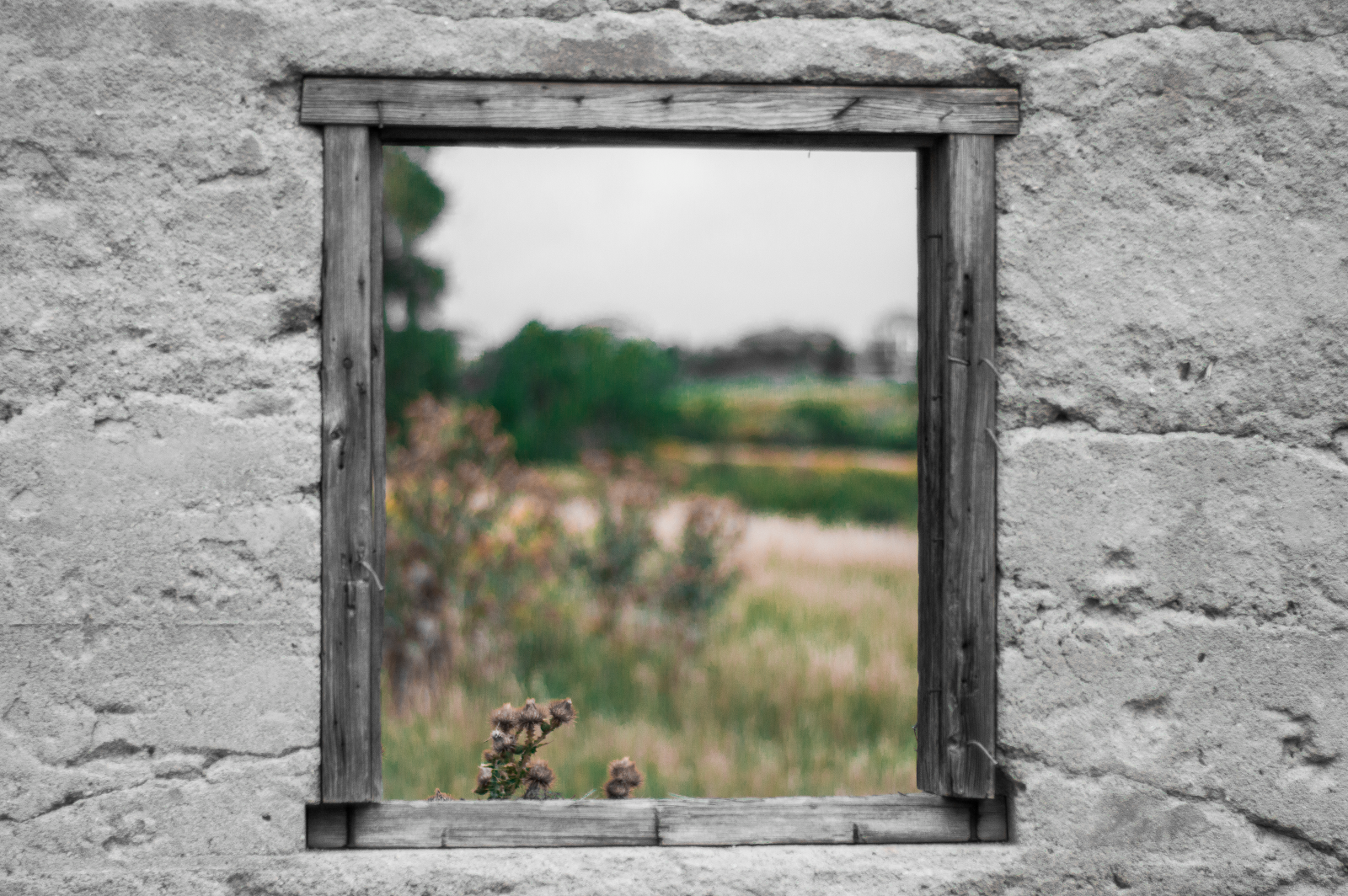
This image represents Amir’s phone call with Rahim Khan. Amir has placed a stone wall between him and his past, refusing to speak of his relationship with Hassan to anyone- even his wife. When Rahim Khan calls, it is like a small window has been carved out of the wall, and he is offered a chance of redemption by facing his past. He begins to remember what he left behind, represented by the fuzzy landscape seen through the image. His mind is a blur; he suddenly thinks of “Baba. Ali. Kabul” (2). As he has hidden behind the wall for so long, he struggles to make sense of everything on the other side. However, his devotion for Rahim Khan is seen through the one flower in focus, and he chooses to focus on that. Because of his loyalty to Rahim Khan, Amir ultimately decides to return and learn of the possibility for redemption.
Important note: make sure you are going beyond the obvious!
Examples of what is too obvious:
- Hassan appreciates Amir more than Hassan
- Baba feels guilty when he sees Amir (or Hassan)
- Amir seeks redemption through Sohrab
- Amir feels like not having children is a punishment
- Amir feels relief when getting beaten by Assef
These are all pretty blatantly stated in text & we have talked about them a lot.
Your post:
Title: [your key focus]
Labels: Your Names, Kite Runner Metaphors
Body of Post: Include image and explanation of how that image represents something specific from the novel. Clearly explain at least 3 aspects of the photo that reveal different nuances of your key focus.
Monday, April 1, 2019
Migration through the Child’s Eyes
Imagine being completely alone. Strange faces, not sure where to look, just a mission to follow the crowd. You have nothing but hope and fear. Fear of everything you may not know, fear of not knowing what to expect, but hope to survive. Each child who leaves or who is sent by families to migrate faces this possibility and often results in much worse.
The three governments of South Africa, Mozambique and Zimbabwe have taken a stand and are working together in a cross-border collaboration in hopes of providing more care and safety to unaccompanied migrant children. (Makhubu) With the children in their mind, eyes, and heart their efforts are towards getting them away from the dangerous and scary life of a child migrant.
The main reason children are migrating to South Africa is for safety and protection, fleeing the violence of where they came from. However, most tend to be faced with more violence as they make their way across the central Mediterranean migration route. This route, a very common one, is controlled by many filthy people with intentions purely to prey on children either trafficking or stealing from them (Philippines News Agency) Since this is the only route able to most traveling to South Africa, this creates a huge issue, as many children probably don't even make it to where they set out to have a better opportunity. Children are routinely victims of sexual violence, exploitation, abuse and detention along this route (Philippines News Agency) So many suffer when most only have the hope for a better opportunity and survival. As well, when they do reach the border, many are placed into detention centers while they wait. They are faced with a lack of shelter, food, ultimately bleak and overcrowded circumstances. (Philippines News Agency). This demonstrates the brutal realities that migrants face, even as children, with no means to fend for themselves.
There are many programs that are put in place to help migrant children, but due to restrictions, many children are still abandoned to the streets. Out of the universal population, about 25.4% of children are migrant children (Golden). However, if we look at South Africa’s percentage of 57% of children are migrant children, making the odds that one in two children living in Africa is migrant children (Golden). This illustrates the scale of this issue, as one would think with child care organizations would be able to make more of an impact. This issue lies mainly on the legitimacy of the child in South Africa, and their documentation status. Many programs are only required or even permitted to help if the child meets certain guidelines by the state, which for many is impossible to do.
Many migrant children in South Africa are found and are being helped and taken care of by the government and different organizations. However, the lack of protection and care for migrant children remains a persisting issue in South Africa. Until change has occurred to the underlying root of the issue, countless children will still endure the life of a migrant alone.
Annotated Bibliography:
"Judgment Impinges On Children's Rights [editorial]." allAfrica.com, 1 Aug. 2016. Global Issues in Context, http://link.galegroup.com/apps/doc/A459626464/GIC?u=los42754&sid=GIC&xid=3b4b4a88. Accessed 12 Mar. 2019. This editorial summarizes the importance of children’s rights out of wedlock, as many are robbed of their inheritance because of their positions. Being a child born out of wedlock is seen as illegitimate to many as it did use to be in several places, however, though illegitimate, this article argues that any child deserves the same rights. Discussing the idea that all children deserve to have the same opportunities no matter what. This source I found from the database, through the Global Issues in Context website. This informs me that the source is credible because these sources have already been screened, as well it was an editorial off of a series of court rulings, making it credible as many statements and quotes were backed by the law. As well, I don’t think the article is biased because it does discuss both sides that are possible views on the situation of children's rights out of wedlock. They explain the motives one might have and why this is an issue needing attention.
"Migrant children's rights in southern Africa will be focus Who is involved; Co-operation between South Africa, Mozambique and Zimbabwe." Star [South Africa], 16 Aug. 2013, p. 10. Global Issues in Context, http://link.galegroup.com/apps/doc/A345911294/GICu=los42754&sid=GIC&xid=715258f7 . Accessed 12 Mar. 2019. This article on children’s migrant rights was very powerful and moving as it described the three-year project that is going on, with three countries governments being involved as well. It explains the motives behind helping the children from abuse and violence out alone on the streets. As well, they ensure the comfort and safety of the children after they are returned, making sure they have good opportunities ahead of them.I found this source as well through the Global Issues in Context database, where everything is filtered to better find credible sources. As well, the article was supported with pieces from the constitution as well, it is written about a current project as a way to inform and inspire others. I would not say it is not biased as this project is being done by three different countries governments with their best interest in the children.
"SA Takes On Plight of Undocumented Migrant Children." allAfrica.com, 19 Oct. 2017. Global Issues in Context, http://link.galegroup.com/apps/doc/A510306085/GIC
u=los42754&sid=GIC&xid=a3974eb9 . Accessed 14 Mar. 2019. This article gives us a peek into the corruption and challenges with the government of Africa. We learn that organizations trying to help may report that they are migrant but they will not report the age or if they are traveling alone, making it hard to gain evidence for more protection laws to be put in place. As well the author covers one of the major push factors of safety or lack thereof in a country. Many children migrate to South Africa to get somewhere safer, however, it is also very easy for these children to get into much worse and dangerous situations, which is what the goal is to prevent. I found this source through the database on the library website, and it seems to be pretty credible as it mentions different organizations and what has been done to try and help this issue. As well, the websites fo9und through the database are screened for credibility prior. I wouldn’t say that this source is very biased because though they are advocating for children's rights, the author never picks sides. As well, it is more of an explanation of what is the current situation of migrant children’s rights and includes government information and decisions.
Ke Yu "Migrant Children Buck the Trend When It Comes to Mother Tongue Teaching." allAfrica.com, 20 Feb. 2019. Global Issues in Context, http://link.galegroup.com/apps/doc/A575048461/GIC?u=los42754&sid=GIC&xid=3e5e4c93 . Accessed 14 Mar. 2019. This article depicts the struggle migrant children face because of their environment and surroundings. The basis is the language barrier that prevents many children from participating and being involved in the school, as well as declining education rates as a result. The author advocates that the best way to help these children comes from the parents and their influence over their children. For if one provides support, hope, and standards, their child will be raised with better values which they believe will reflect in education rates. I found this source through the Global Issues in Context database, and Ke Yu, the author of this article, is credited to the University of Johannesburg. This shows he has some credentials as well, there was cited evidence to support his claim. I would say this source is a little biased in the sense that the author sees one solution to the problem, and the setting expectations part is contrary to some people’s beliefs. However, there is no strong persuasion against or for immigrants, just a solution to a problem.
"Child migrants seen on deadly journey from North Africa to Europe, UN agency warns." Philippines News Agency, 1 Mar. 2017. Global Issues in Context, http://link.galegroup.com/apps/doc/A484117379/GIC?u=los42754&sid=GIC&xid=d06be51e. Accessed 22 Mar. 2019. This article helps one to see through the perspective of the refugee, as the author doesn’t hide the brutalities they face through their travel. The amount of violence and abuse among these paths that they migrate through is unreal. Some try and pay people ahead so they don’t get robbed or assaulted, but that doesn't always happen. As well as providing awareness to these issues that these lone children are facing. The author touches on what could be done to help. Mainly another safer route of migration instilled and enforced by the government, as this article advocates for support and encouragement of migration from the government. I found this source through the Global Issues in Context database, where everything is filtered to better find credible sources. Though this was published through the Philippines News Agency, most of the information and thoughts is from UNICEF which is a credible organization that is trying to help these children and provide them with more safety. As well, I don’t think this source is biased as it seems more of an article to provide awareness for this issue, rather than convincing one that there is an issue.
Lisa Golden "Do 'Vast Numbers' of Refugee and Migrant Children Rely On SA Social Services? [analysis]." allAfrica.com, 18 Aug. 2016. Global Issues in Context, http://link.galegroup.com/apps/doc/A460974120/GIC?u=los42754&sid=GIC&xid=6fb997bb. Accessed 22 Mar. 2019. This article explores the credibility and claim of another article, with the author providing strong and compelling factual evidence. The author argues that migrant and refugee children don’t rely on social services as much as they are deemed to be. There is lots of information and statistics shown surrounding different service organizations as well as programs and laws instituted by the government. However, through examining everything, one can see there are plenty of resources, but those that are left undocumented or have little information in the legal system, often don’t even get the opportunity for help, despite the laws put in place aimed to prevent that. This article pushes one to see past what is being done, and see what impact that is having and if it is helping or not. As this article is arguing another claim, making it seem not very credible, in fact, the author used a lot of evidence through statistics and information on organizations to support her argument. As well, I found this source through the Global Issues in Context database, where things are filtered to better narrow down credible sources. I would say that this article as well isn’t biased, because the claims she made were off of statistics she found, and this article was more informative than persuasive.
Subscribe to:
Comments (Atom)