In particular, Uganda and Zimbabwe are seeing the most frequent and deadly cholera outbreaks in the recent decades. Despite being cholera free for years, these countries are seeing two deaths in Uganda and 28 deaths in Zimbabwe in just a matter of weeks (Okiror) (“Zimbabwe”). These numbers would reasonably lead us to question whether there are vaccines and treatments for cholera. In fact, for decades there has been a highly effective vaccine in distribution throughout developing nations (“Waterborne”). Then why is Uganda and Zimbabwe unable to remain cholera free? The answer lies in the root of the water supply system and the economic difficulty governments face.
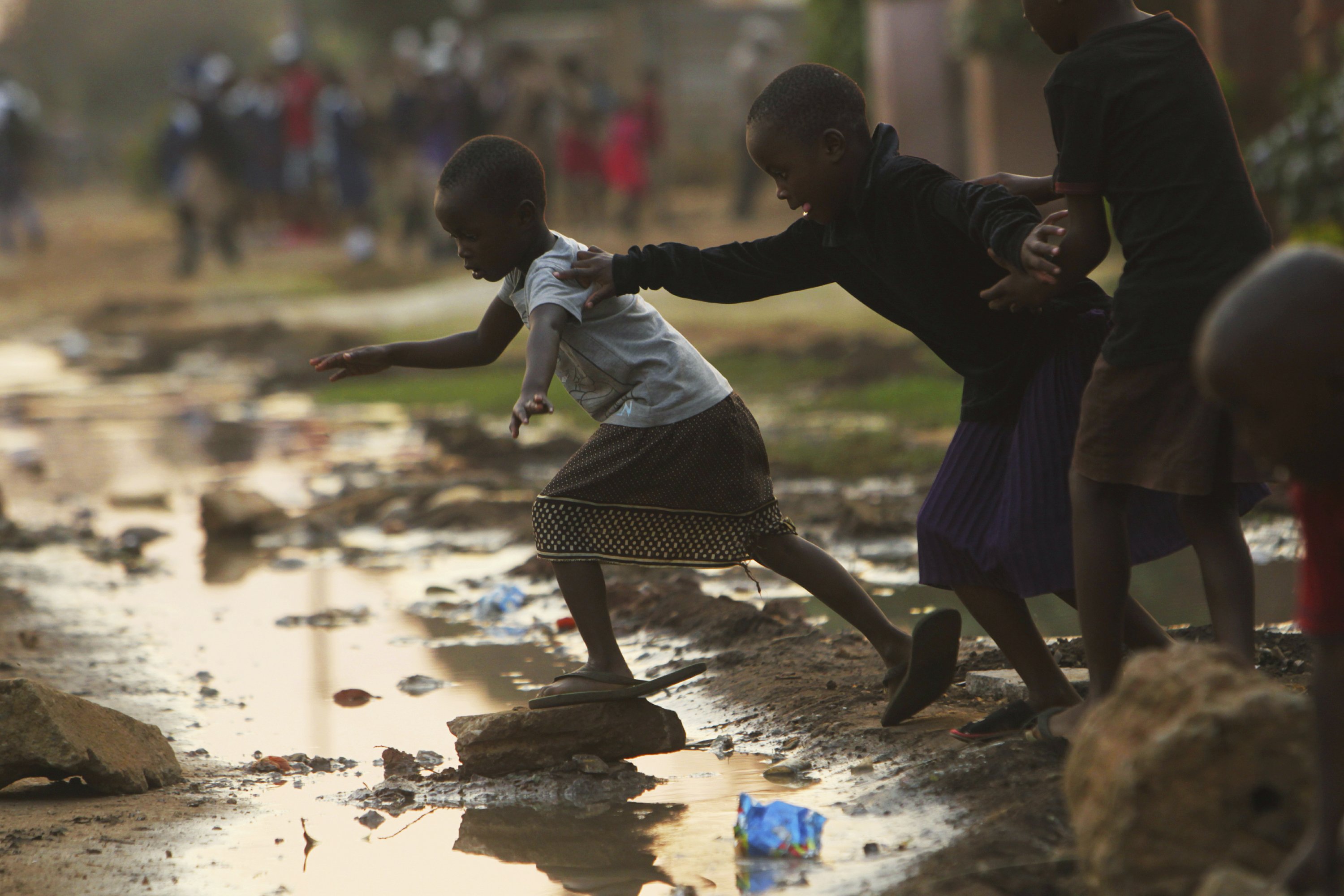
High density areas are especially susceptible to cholera outbreaks because of unhygienic living conditions. Sewage pipes are decades old and have been blocked or cracked for years, which has allowed defecation to pile up and come into direct contact with water supplies (Nyoka). Because the majority of the population does not own toilets, people simply throw their human waste outside into puddles of rainwater and drainage channels (Segawa)(Okiror). However, this is where most people obtain their cooking and drinking water, and even venders make and sell drinks made from unsafe water (Segawa). The lack of obtainable water has forced people into surviving of visibly brown and odored water; they are forced to either starve or contract cholera (“Zimbabwe”).
One may ask, why doesn’t the Zimbabwean and Ugandan government just invest more into public health and fixing the drainage channels? Both countries are already poor as they are, yet the Zimbabwean government still is spending $20 million of foreign loans on luxury cars for their government officials (Nyoka). Thus, they have exhausted all foreign currency and credibility in a time where their priorities should be investing in public safety and health (“Zimbabwe”). Inherently, the cholera outbreak is a health and economic issue, but in reality it reflects the incompetence and chaos of the governments of these developing nations. 80% of Zimbabwe’s income is being spent on civil servants’ salaries, leaving little left for the massive estimated $26 billion required to upgrade its public services (Nyoka).
While these current cholera outbreaks are nowhere near the worst ones in history, they do present an urgency to change or reform the governments in many developing nations. When a country is already having difficulty sustaining itself, it is nearly impossible for it to also cope with deadly diseases such as cholera, especially when they squander their little income on useless luxuries. As a result, many innocent people suffer and do not have access to even the most basic of necessities. Efforts such as the CDC’s Healthy Drinking Water Program and the WHO’s water treatment have been made, eliminating over 99.9% of waterborne diseases in countries like Chad and Ethiopia (“Waterborne”), but foreign aid will never be enough to fix the root cause of this issue. Every day, we use water excessively to the point that having access to it is nearly a basic human right. So why are billions violated?
Works cited:
Nyoka, Shingai. “Zimbabwe's Cholera Emergency: 'Stench of Sewage' in Harare.” BBC News, BBC, 18 Sept. 2018, www.bbc.com/news/world-africa-45546699.
Okiror, Samuel. “'It Kills within Hours': Two Die as Cholera Outbreak Spreads in Ugandan Capital.” The Guardian, Guardian News and Media, 28 Jan. 2019, www.theguardian.com/global-development/2019/jan/28/two-die-cholera-outbreak-spreads-uganda-capital-kampala.
Segawa, Nakisanze. “Despite Outbreak, Uganda's Latest Cholera Containment Effort Is Unpopular, Unenforced.” Global Press Journal, 21 Feb. 2019, globalpressjournal.com/africa/uganda/despite-outbreak-ugandas-latest-cholera-containment-effort-unpopular-unenforced/.
"Waterborne Disease." Global Issues in Context Online Collection, Gale, 2018. Global Issues in Context, http://link.galegroup.com/apps/doc/CP3208520145/GIC?u=los42754&sid=GIC&xid=863cb1ff. Accessed 11 Mar. 2019.
"Zimbabwe: Editorial Comment - Cholera - Dirty Pandemic, Dirtier Politics." allAfrica.com, 17
Sept. 2018. Global Issues in Context, http://link.galegroup.com/apps/doc/A554504803/GIC?u=los42754&sid=GIC&xid=ea769c64. Accessed 14 Mar. 2019.

A very interesting article. I didn't know the lack of water in these areas was so bad.
ReplyDeleteDo you happen to know what is being done towards the corrupt government officials that stipulate this crisis? I find it truly shocking elected officials can become ruthless and greedy and leave their nation to a water crisis while they have luxury cars.
ReplyDelete